
Winter is a magical time for outdoor exploration—think snow-covered trails, crisp mountain air, and peaceful, frosty landscapes. But for dog owners, cold-weather adventures come with a unique set of challenges. Keeping your furry friend comfortable, safe, and happy in lower temperatures takes some extra planning. Here’s a guide to help you and your pup tackle the chill while enjoying everything winter has to offer.
1. Dress for the Occasion

Not every dog has a built-in winter coat! Breeds with short fur, smaller bodies, or lower fat reserves can struggle in the cold. A high-quality dog jacket is a must for snowy adventures. Look for one that’s insulated, water-resistant, and fits snugly without restricting movement. If your pup will be walking on icy or salted paths, booties can help protect their paws and provide extra grip.
2. Protect Their Paws


Snow, ice, and salt can take a toll on your dog’s paw pads. Use a paw balm or wax to create a protective barrier before heading out, and rinse their paws with warm water when you get back to remove any irritants. For added protection, consider dog booties, especially if you’re tackling rough or icy terrain.
3. Pack Fresh Water

It’s easy to forget about hydration when it’s cold, but dogs still need plenty of water during winter activities. Snow isn’t a substitute—it doesn’t provide the hydration your dog needs. Carry an insulated water bottle and a collapsible bowl to make it easy for your pup to drink on the go.
4. Boost Their Energy with Snacks
Cold weather requires extra energy to maintain body warmth. Bring along high-calorie food and treats to keep your pup fueled for the trail. Unlike humans who use simple sugars, dogs derive their adventure fuel from fats and proteins, so avoid sugary treats and instead stick to a “performance” dog formula or treats high in protein and/or fats (if your dog has a sensitive stomach, don’t suddenly introduce high fats; instead give them more of the same diet they are used to).
5. Watch for Signs of Hypothermia
Dogs can experience frostbite or hypothermia if they’re out in the cold for too long and/or have inadequate insulation. Small dogs, thin dogs and short-haired dogs are at greater risk of hypothermia.
Learn to recognize the signs that your dog is getting too cold: shivering, whining, slowing down or lifting their paws off the ground are all indicators that your dog is uncomfortable. If your notice these signs, check their paws for ice buildup and then it’s time to call it a day and head to a warm shelter.
6. Start Small

If your dog is new to cold-weather adventures, ease them into it. Begin with shorter outings to gauge how they handle the cold and gradually build up to longer hikes or snowshoeing trips. This approach will help your pup acclimate to winter conditions without being overwhelmed.
7. End the Day with Warmth

After a day of snowy fun, be sure to dry your dog thoroughly, especially their paws and underbelly. Snuggle them up in a warm spot at home or in a cozy sleeping bag if you’re camping.
Winter adventures with your dog can be unforgettable experiences. With the right gear and precautions, you’ll both be ready to hit the trails and make the most of the season. Embrace the snow, savor the quiet of the winter landscape, and enjoy bonding with your pup in the great outdoors.
Got any winter dogpacking tips of your own? Share them in the comments below—we’d love to hear about your adventures!
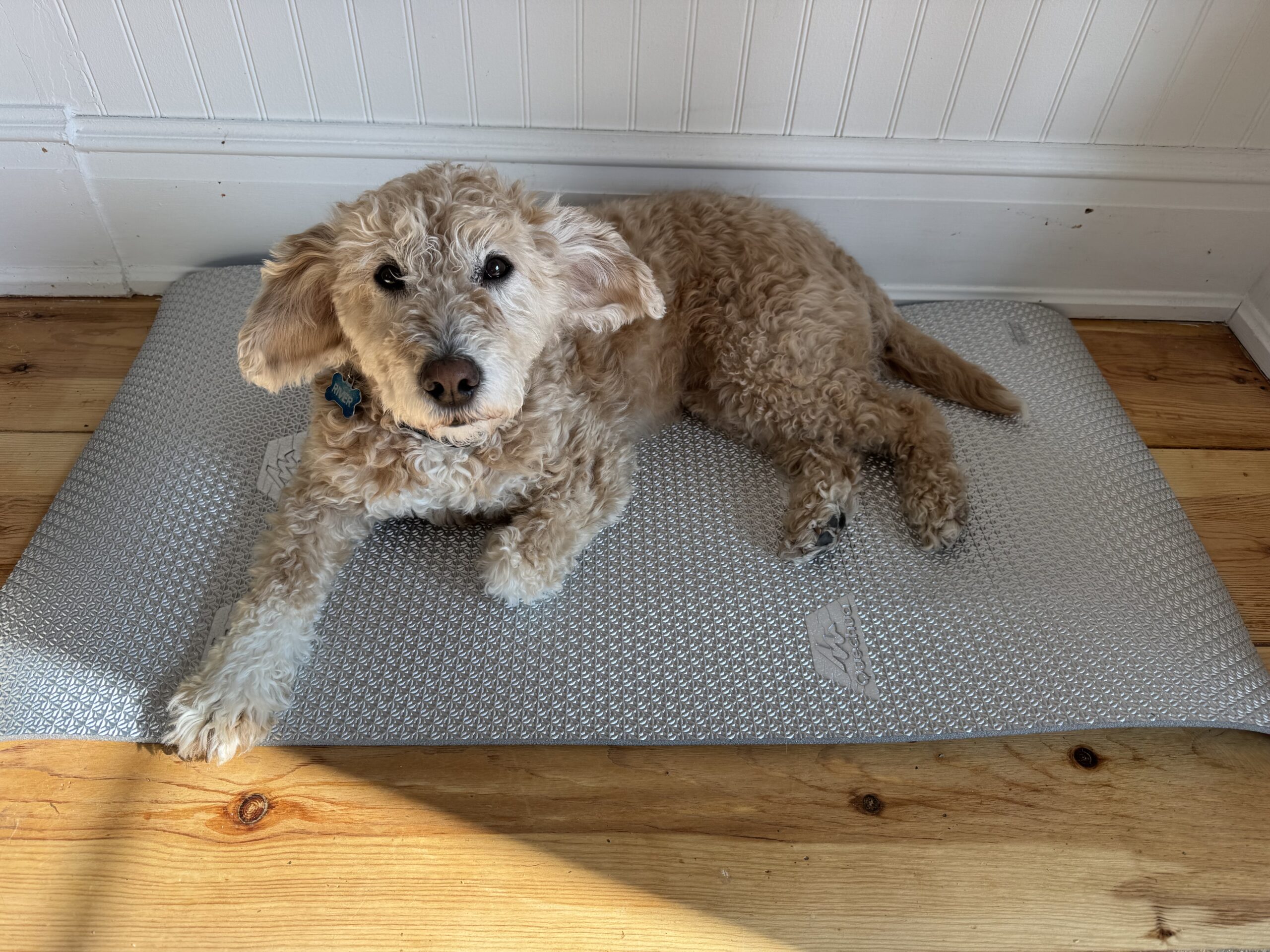

I always bring some hand and toe warmers for my dog. If she gets cold inside of her snowsuit, I stick a toe warmer between her harness and the suit up top and another on the chest guard. If she’s riding in a basket on the bike, or in the tent and cold, I’ll put a hand warmer in her blanket with her.
In summer I carry a smaller thinner wool baby blanket, in winter a slightly larger heavier one. For backpacking, I found someone on Etsy to make her a mini down quilt. I prefer the wool most of the time because of its warming value if moisture is present. If you’ve got a cold wet dog, a down quilt isn’t ideal. It sure takes up a lot less space and weight though!
Thanks for these ideas, Elijah. Wool and down blankets are great ideas! Hand and toe warmers can indeed provide surplus warmth. I’d just add a couple of safety points for readers to keep in mind: the contents are toxic to dogs if ingested so make sure your dog doesn’t lick or swallow them; and they can burn skin if they get too hot, so consider putting them in a sock (additional heat barrier) and allowing your dog to move away from the heat source if needed. Thanks for your great comments.
Bootie’s, especially if you’ve got a small breed can be tricky. For the past two seasons I’ve been using Walkeepaws. They are pretty fiddly on a small dog like my 7.5lbs Havanese, but when you get them dialed in they work well without pulling hair or possibly cutting off circulation like the rubber balloon style ones. I have found that the fabric short booties just don’t stay on my small dog. Also, the Walkeepaws protect her legs all the way, keeping snowballs from forming on her legs.
Canada Pooch makes a fine set, but unfortunately they aren’t compatible with my little adventure buddy.
Thanks for this input. Yes, it’s really tricky getting booties to stay on since dog lower legs are essentially long swinging cylindrical tubes. I haven’t heard of Walkeepaws – I’ll check them out.